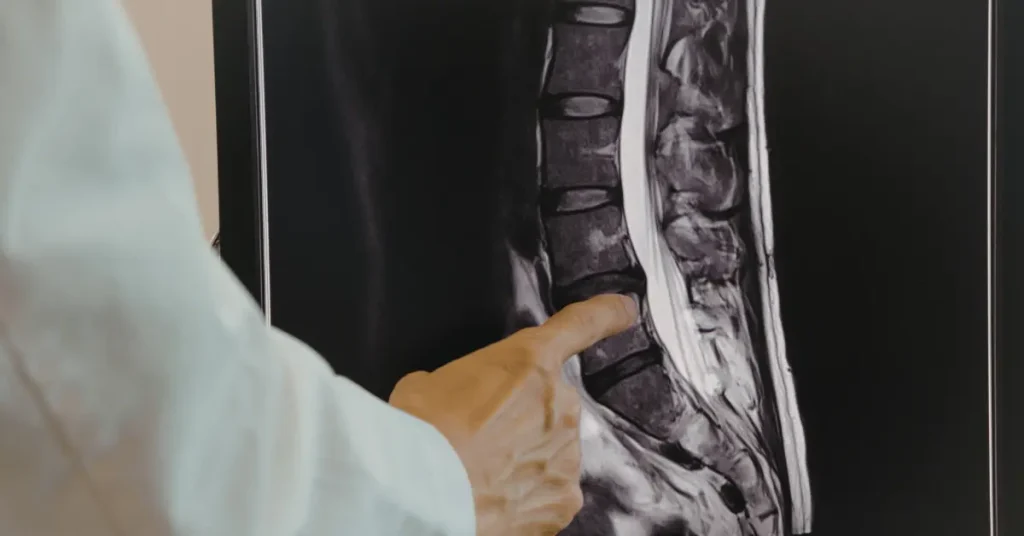



An international panel of fifteen paediatric orthopaedic experts drawn from eight countries has been appointed to carry out a comprehensive review of hundreds of child hip surgeries performed at Children’s Health Ireland (CHI) Temple Street and the National Orthopaedic Hospital Cappagh.
The review, which began in January 2026, represents the most significant independent examination of these procedures since serious concerns were first raised in 2024.
For the thousands of families who received letters from CHI, this development marks a critical step toward understanding whether their child’s surgery was medically necessary.
Who is on the expert panel?
The External Expert Panel (EEP) is chaired by Dr Kishore Mulpuri, Head of the Department of Orthopaedics at the University of British Columbia and a consultant paediatric orthopaedic surgeon at BC Children’s Hospital in Canada.
Dr Mulpuri is internationally recognised for his expertise in both operative and non-operative management of Developmental Dysplasia of the Hip (DDH), the condition at the centre of this review.
The panel of 15 experts, representing 8 countries, will conduct a paper-based review of medical records, X-rays, ultrasound images, and other radiology reports.
Crucially, the review focuses on the original clinical decision to perform surgery, not a new physical examination of the children involved.
To protect patient privacy, all patient identities are coded and withheld from panel members throughout the process.
Which surgeries are being reviewed?
The EEP will examine pelvic osteotomy surgeries carried out at CHI Temple Street and Cappagh (NOHC) between 1 January 2010 and 31 March 2025.
This fifteen-year window is considerably broader than the initial audit, which examined a sample of procedures from 2021 to 2023.
CHI has written to over 2,259 families whose children received hip surgery over this extended period.
The surgeries under review involve pelvic osteotomies performed on children with DDH, a condition in which the hip joint does not develop normally.
In many cases, non-surgical approaches such as bracing were available.
The central question for the EEP is whether, in each individual case, the threshold for surgical intervention had been genuinely met.
What did the earlier audit find?
The review process was triggered by findings from an earlier independent audit conducted by Mr Simon Thomas, a consultant paediatric orthopaedic surgeon at Bristol Royal Hospital for Children in the UK.
That audit examined 147 cases across three hospitals and produced deeply concerning findings:
- At Temple Street Hospital, approximately 60 per cent of surgeries audited did not meet the clinical threshold for surgical intervention.
- At the National Orthopaedic Hospital, Cappagh, this proportion was approximately 79%.
- The audit identified concerns that surgeons at these hospitals assessed the risk of persistent hip dysplasia inaccurately, potentially leading to operations that were not medically justified.
- A whistleblower raised concerns that financial incentives, including the volume of privately funded procedures, may have influenced the decision to operate.
Following the publication of these findings in May 2025, CHI confirmed that all 497 children who had undergone pelvic osteotomy at these hospitals between 2021 and 2023 should be recalled for independent clinical review.
Since March 2025, no child within the CHI system has undergone hip surgery without prior discussion at a cross-site multidisciplinary team (MDT) meeting.
What is the review timeline?
The EEP began its work in January 2026. Given the volume of cases spanning fifteen years, the review is expected to take at least twelve months to complete.
A final report from the panel is anticipated in early 2027. That report is expected to provide families with clarity on whether their child’s surgical intervention was clinically indicated at the time it was performed.
By late 2025, over 600 children had already attended multidisciplinary team clinics to assess their current health outcomes.
Families who have not yet heard from CHI or who have questions about their child’s status are encouraged to contact CHI directly or to seek independent legal advice.
What does this mean for affected families?
For families who received a letter from CHI, the appointment of an internationally composed expert panel is significant.
It means that each surgical decision will be assessed against the consensus clinical criteria that should have applied at the time, and by specialists who are entirely independent of the Irish healthcare system.
Long-term consequences: Pelvic osteotomy carries risks that may not become apparent for many years. Skeletal maturity in children is generally reached between 14 and 16 years of age.
Surgeries performed unnecessarily can, in some cases, result in symptomatic hip impingement, scarring, and an increased risk of early-onset osteoarthritis. These are harms that may follow a child into adulthood.
Consent issues: If a surgeon presented surgery as the only available option when international guidelines recommended non-surgical management first, the validity of parental consent may be in question.
Informed consent requires that parents be told of all reasonable alternatives, not only the option the surgeon intends to pursue.
Statute of limitations: In Ireland, the general time limit for bringing a medical negligence claim is 2 years from the date the person knew, or ought to have known, of a potential claim.
For children, however, the limitation period typically does not begin to run until the child reaches 18.
Families should seek legal advice promptly rather than waiting for the EEP report, as early engagement allows solicitors to preserve evidence and build the strongest possible case.
Legal options for families in Ireland
If the External Expert Panel confirms that a surgery did not meet the clinical threshold for intervention, affected families may have grounds to bring a claim for medical negligence if it is established that the surgery was performed without a valid medical justification.
Coleman Legal LLP is currently advising and supporting families affected by the CHI pediatric hip surgery review.
Our specialist solicitor, Keith Rolls, has extensive experience in paediatric negligence cases and is well placed to assess whether your family has a viable claim.
For further information on the background to this issue, the legal framework for families, and the review process, visit our dedicated pages:
About developmental dysplasia of the hip
Developmental Dysplasia of the Hip (DDH) is a condition in which the ball of the hip joint does not sit properly in the socket.
It varies greatly in severity. Mild cases can often be managed with observation or bracing, particularly when detected early. More severe cases may require surgical correction.
The condition affects approximately one in every 1,000 children to a degree requiring treatment.
Pelvic osteotomy, the surgical procedure at the centre of this review, involves cutting and repositioning the pelvic bone to improve the coverage and stability of the hip joint.
It is a significant procedure that carries risks including blood loss, nerve injury, infection, and, in the longer term, altered biomechanics of the hip joint.
These risks are acceptable when surgery is genuinely indicated. They are not acceptable when surgery is not clinically necessary.
How Coleman Legal can help
Coleman Legal LLP is a litigation practice based in Dublin 1, Ireland, specialising in medical negligence and paediatric injury claims across the Republic of Ireland.
We represent families affected by avoidable harm in healthcare settings and have specialist experience in paediatric orthopaedic negligence.
Our team understands the emotional and practical burden this review places on families, and we are committed to providing clear, honest legal guidance throughout the process.
You do not need to wait for the EEP report to seek legal advice.
In fact, beginning the process early gives your solicitor the opportunity to gather medical records, commission independent expert reports, and advise you on your options before formal review findings are available.
Frequently Asked Questions
Who is reviewing child hip surgeries in Dublin?
In Ireland, the child hip surgery review is being conducted by the External Expert Panel (EEP), a group of 15 international paediatric orthopaedic specialists from 8 countries.
The panel is chaired by Dr Kishore Mulpuri of the University of British Columbia, Canada. The EEP was appointed by the HSE and began its review in January 2026.
It will examine surgeries performed at CHI Temple Street and Cappagh between January 2010 and March 2025.
How do I know if my child’s surgery is being reviewed?
In Ireland, CHI and the National Orthopaedic Hospital Cappagh have written directly to all families whose children underwent hip surgery for Developmental Dysplasia of the Hip (DDH) between January 2010 and March 2025.
If your child had this type of surgery at Temple Street or Cappagh during that period, you should have received a letter. If you have not been contacted, you can reach CHI directly.
Coleman Legal can also assist you in establishing your child’s position.
Can I make a legal claim before the EEP report is published?
In Ireland, you can seek legal advice and begin the process of bringing a claim at any time, without waiting for the EEP report. The report may support your claim, but it is not a legal prerequisite.
Beginning early gives your solicitor more time to gather evidence and assess the strength of your case. Coleman Legal is currently advising families affected by the CHI hip surgery review.
What is the time limit for bringing a claim in Ireland?
In Ireland, medical negligence claims are generally subject to a two-year limitation period from the date you knew or ought reasonably to have known of the potential negligence.
For children, the limitation period typically begins when they reach 18, giving them time to prepare. However, waiting is not advisable, as evidence can become harder to gather over time.
If you received a letter from CHI, we recommend seeking legal advice promptly.